Northern Mongolia
A balanced journey combining desert scenery, historical heritage, and a peaceful freshwater lake.
Khuvsgul Lake
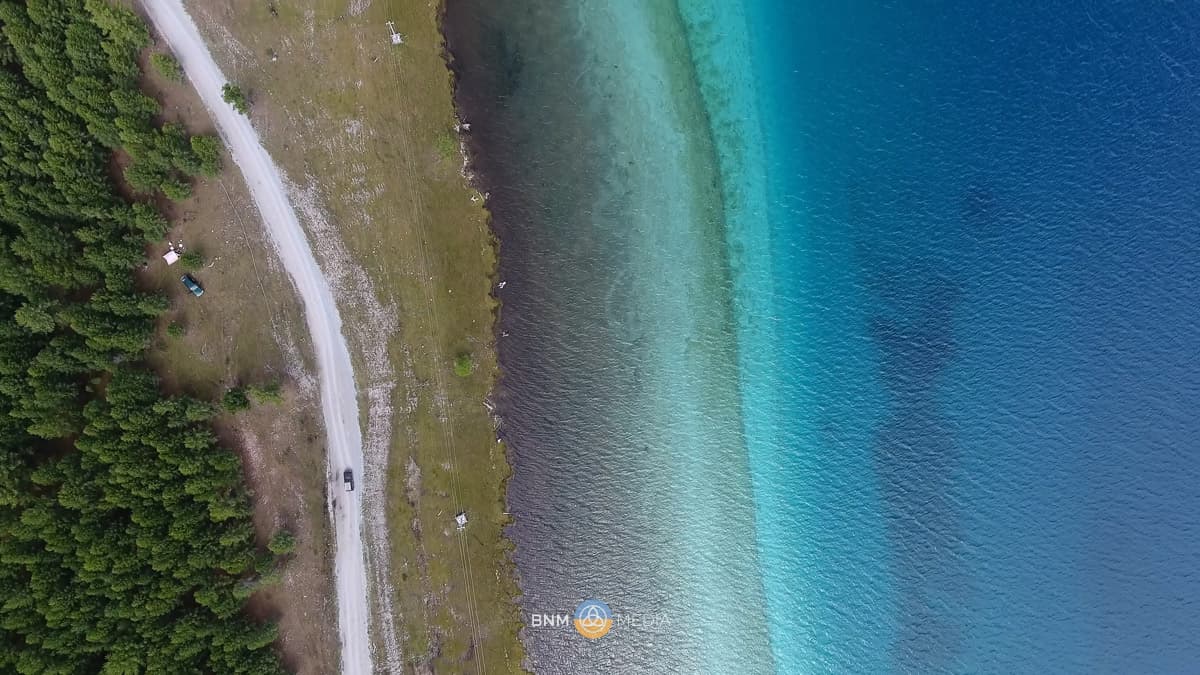
Khuvsgul Lake, often called the Blue Pearl of Mongolia, is one of the country’s most stunning natural wonders. Located in northern Mongolia near the Russian border, it is the largest freshwater lake in Mongolia and holds nearly 70% of the country's fresh water. The lake stretches over 136 kilometers in length and plunges to depths of 262 meters, making it one of the clearest and purest lakes in the world. Surrounded by the majestic Khuvsgul Mountains and dense taiga forests, the lake offers breathtaking scenery and a tranquil atmosphere. Its crystal-clear waters reflect the surrounding peaks, and visitors can enjoy a variety of activities such as boating, fishing, hiking, and horseback riding. In the winter, the lake freezes over, turning into a winter wonderland where visitors can experience ice festivals and ice skating. Khuvsgul Lake is also home to many ethnic Tsaatan reindeer herders, providing visitors with a unique opportunity to learn about the traditional nomadic culture of Mongolia’s northern tribes. Whether you're seeking adventure or a peaceful retreat in nature, Khuvsgul Lake is a must-visit destination for its unspoiled beauty and rich cultural experiences.
Taiga
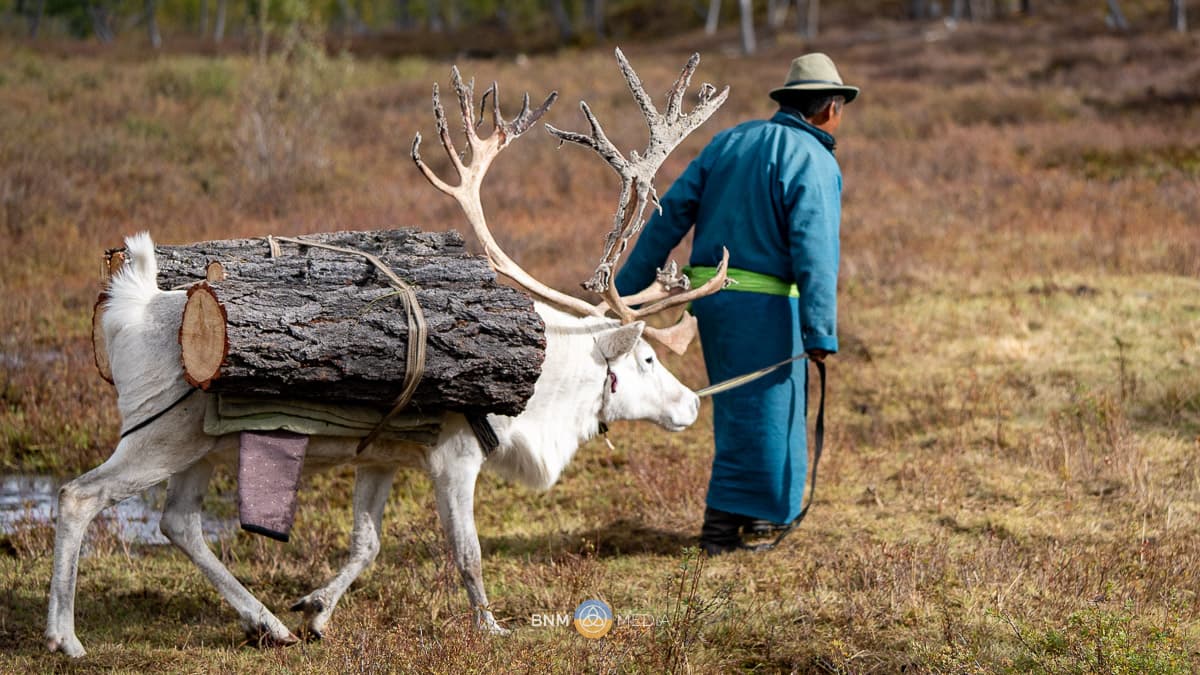
The Taiga in northern Mongolia is a vast, pristine wilderness characterized by dense coniferous forests, rivers, and rolling mountains. This remote region, bordering Siberia, is one of the last untouched areas of the world and is home to some of Mongolia’s most unique cultural groups and stunning landscapes. The Mongolian Taiga is particularly famous for being the home of the Tsaatan reindeer herders and the expansive Darkhad Valley.
Amarbaysgalant Monastery
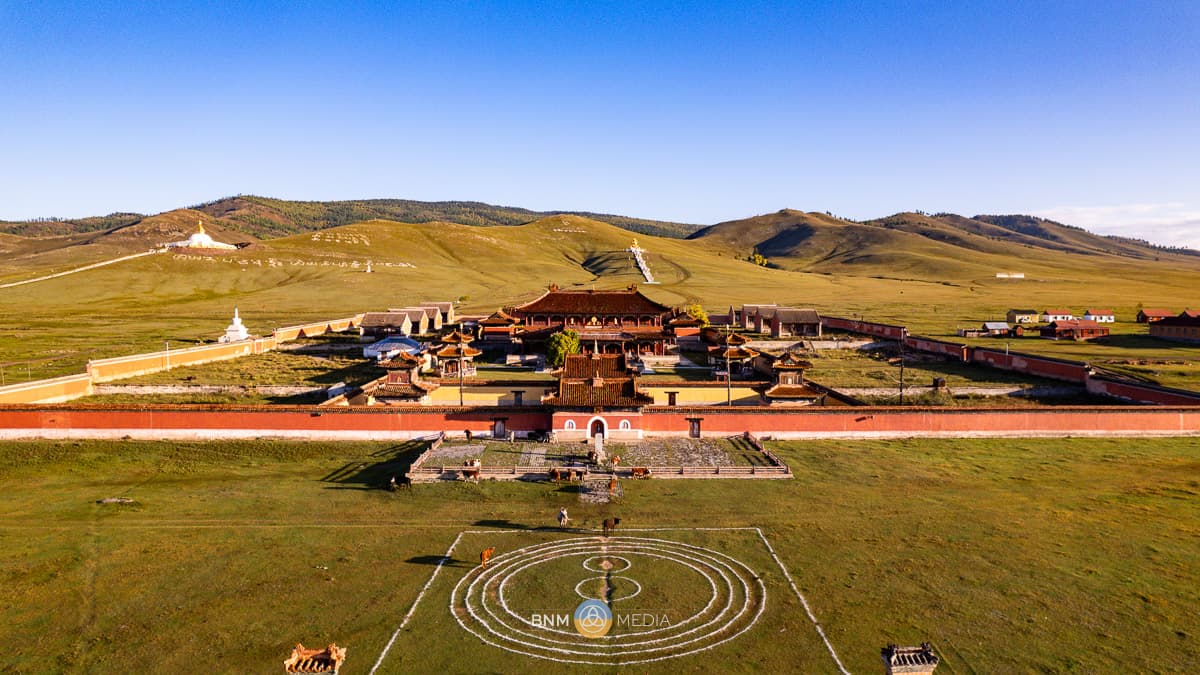
Amarbaysgalant Monastery, located in the secluded Iven Valley of Selenge Province in northern Mongolia, is one of the country’s most important and well-preserved Buddhist monasteries. Built between 1727 and 1736, it was dedicated to the great Mongolian Buddhist teacher Zanabazar, the first spiritual leader of Mongolian Buddhism. The monastery was commissioned by the Qing Emperor to honor Zanabazar, and it became a significant center for Buddhism in Mongolia. The monastery's architecture is a stunning example of classical Tibetan-style design with strong influences from Chinese and Mongolian architectural traditions. The complex originally consisted of over 40 temples, but many were destroyed during the communist purges of the 1930s. Today, around 28 buildings remain, which have been carefully restored, preserving the intricate woodwork and delicate details that make Amarbaysgalant such an architectural masterpiece. Nestled in a peaceful valley, Amarbaysgalant Monastery offers visitors a tranquil setting where they can explore the spiritual history of Mongolia, enjoy the serene landscape, and experience the monastery’s rich cultural and religious significance. It remains an active place of worship, with monks living and practicing at the site, making it not only a historical monument but also a living center of Buddhist practice
Uran Togoo
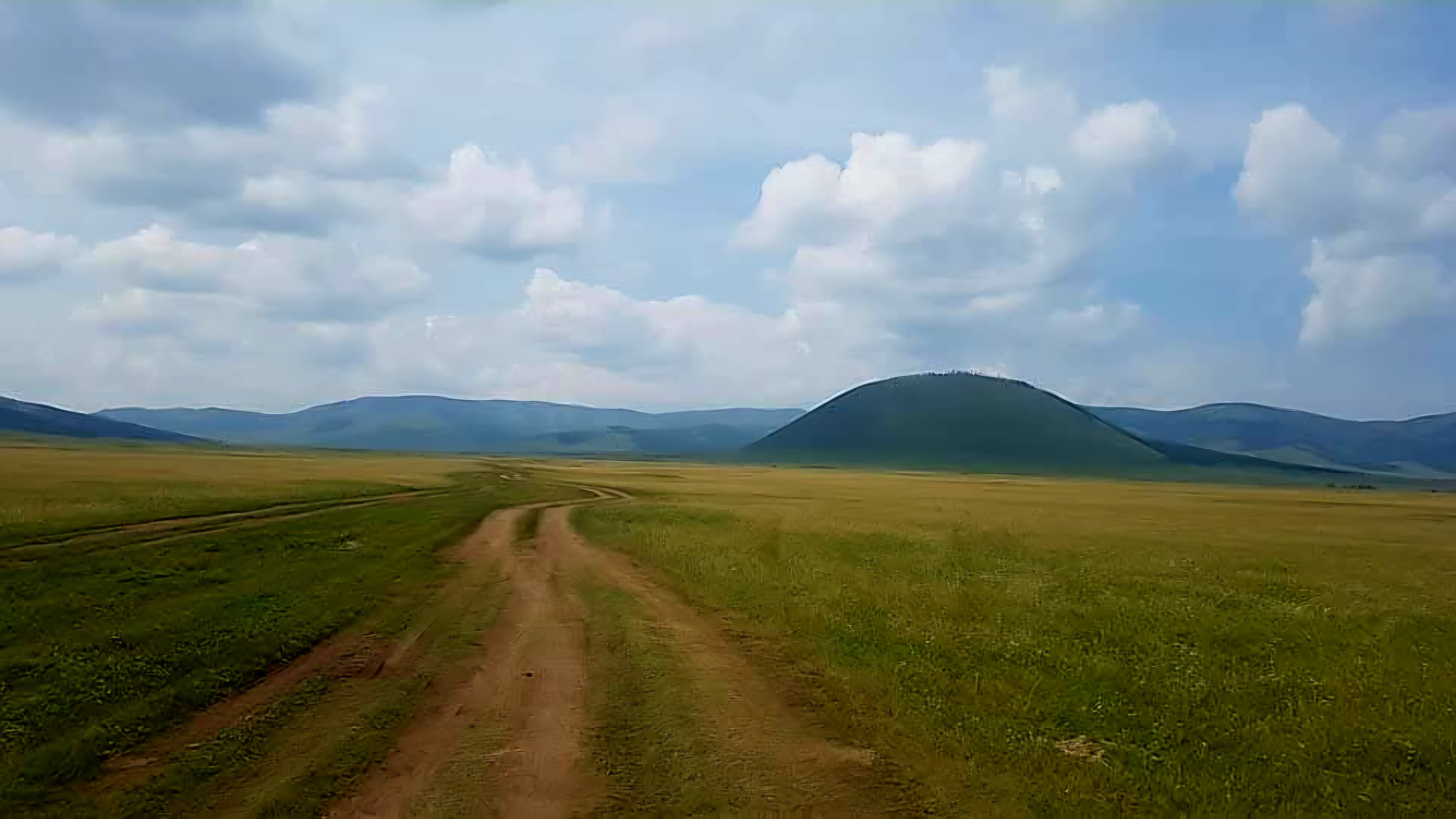
Uran Togoo - Volcano crater Located about 80 km northwest of Bulgan city in Khutag-Andur sum, Bulgan province, four extinct volcanoes, Uran, Tulga, Togoo, and Jalavch, dominate the landscape. These mountains formed during the Quaternary period and became extinct around 20,000 to 25,000 years ago. Consequently, they offer a rare glimpse into Mongolia’s volcanic history and geological evolution. Uran means artistic in Mongolian, referring the perfect round shape of the crater as if it was made by a craftsman. At the top of the Uran volcano, there is a small lake about 20m wide and 1.5 deep. The water is shrinking every year due to global warming and recent lack of rainfall. Uran Togoo is 1688m above sea level The Uran, Tulga and Jalavch are all remnant of an extinct strato volcano formed between about 20-25 thousands years ago. The Tulga and Jalavch volcanoes are 12km to the south of Uran. Because the shapes of the volcanoes resemble Mongolian traditional cooking utensils they named them like Tulga-means tripod, jalavch-small pot, Togoo-cauldron. The Volcano has breeding populations of various birds: grouse, sparrow, owl, falcon, cuckoo and hoopoe. Deer, argali sheep, roe deer, wild boar, wild goat, marmot, gopher, steppe rabbit live here.
Send Inquiry
Fill in the details below and we’ll get back to you shortly.