Central Mongolia
Dramatic granite formations, colorful cliffs, and classic Gobi Desert landscapes.
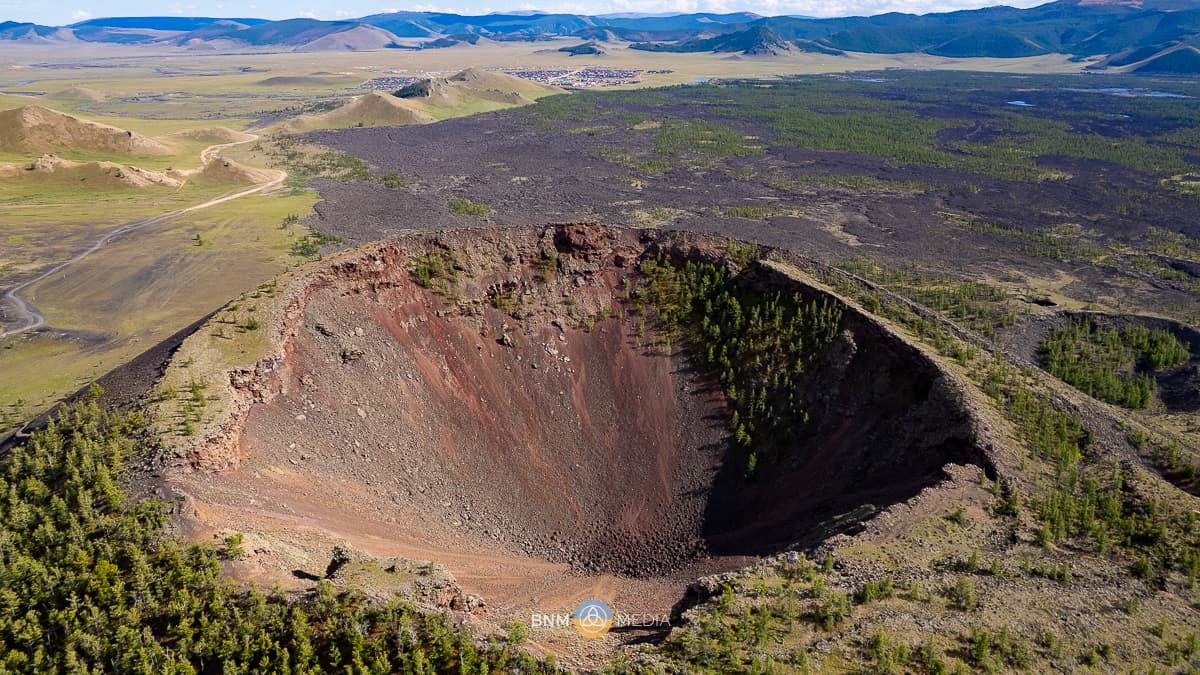
Khorgo Volcano
Located in the heart of Arkhangai Province, within the Khorgo-Terkhiin Tsagaan Nuur National Park, the combination of the Khorgo Volcano and Terkhiin Tsagaan Lake creates one of the most stunning and diverse natural landscapes in Mongolia. This unique region offers visitors the chance to experience both the dramatic volcanic scenery of Khorgo and the serene beauty of the Great White Lake.
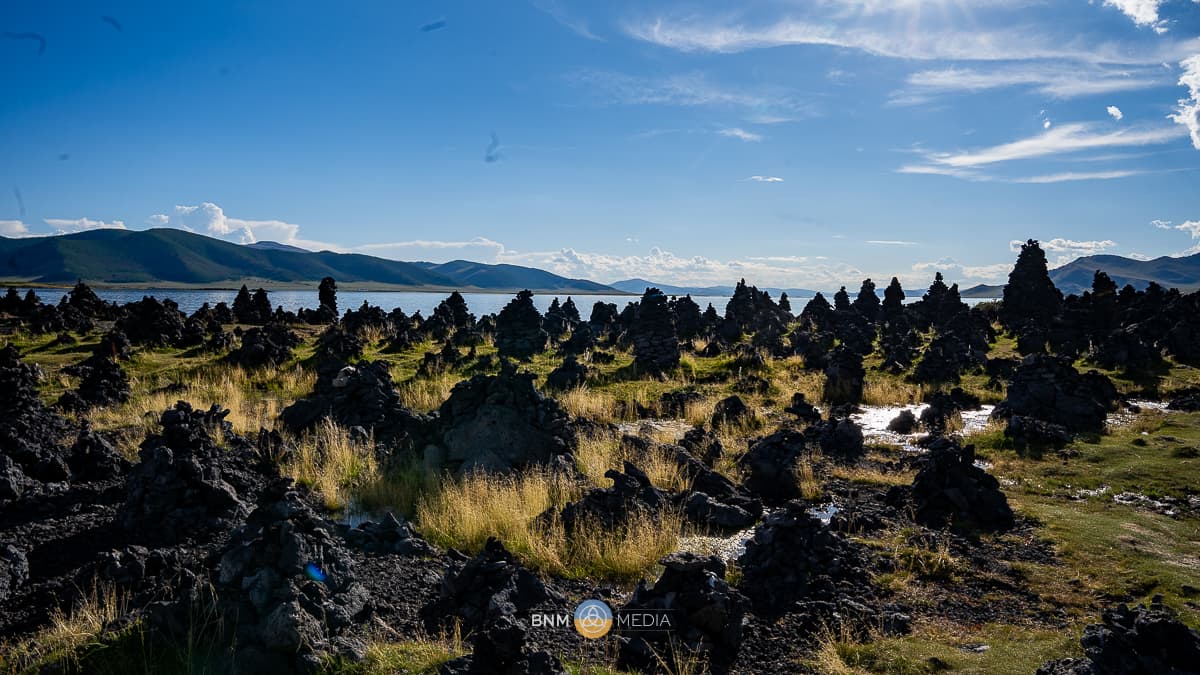
Terkhiin Tsagaan Lake
At the base of Khorgo lies the serene Terkhiin Tsagaan Lake, also known as the Great White Lake. Formed by volcanic activity, this freshwater lake stretches over 16 kilometers in length and is surrounded by grassy meadows, pine forests, and the towering mountains of the Khangai Range. The crystal-clear waters of the lake are perfect for fishing, boating, and even swimming during the summer months. The lake is home to various fish species, particularly pike, making it a popular destination for anglers. The shores of the lake provide a peaceful setting for camping, hiking, and horseback riding, with the calm waters reflecting the surrounding volcanic landscape, creating postcard-worthy views. The area is also rich in wildlife, and visitors can often spot eagles, marmots, and a variety of bird species.
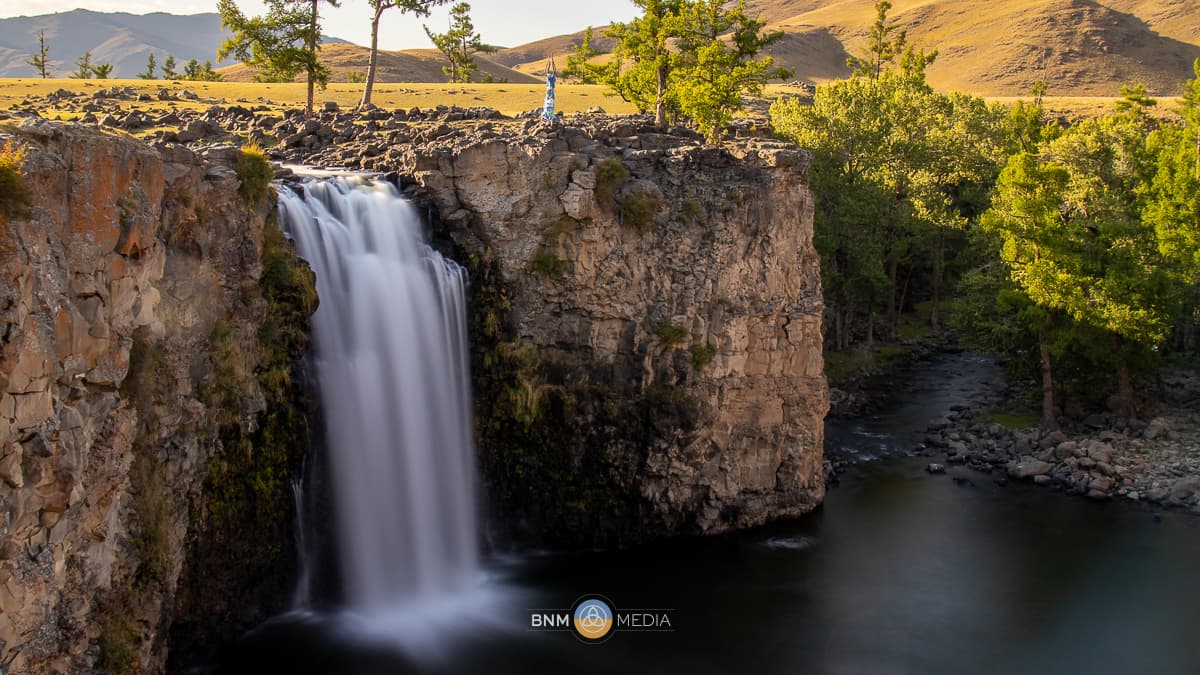
Orkhon Valley
The Orkhon Valley, a UNESCO World Heritage Site, is often referred to as the cradle of Mongolian civilization. Stretching along the Orkhon River, this valley has been a vital cultural and historical hub for over two millennia. It was once home to the ancient Orkhon inscriptions, the earliest known examples of written Turkic language, and the seat of the Mongol Empire during its zenith. Today, the Orkhon Valley offers breathtaking landscapes of rolling hills, lush meadows, and the winding river that serves as the valley’s lifeline. Visitors can explore its rich archaeological heritage, visit ancient sites, and experience nomadic culture in a pristine natural setting. The valley is a must-visit for anyone interested in the history of Central Asia and the beauty of Mongolia’s landscapes.
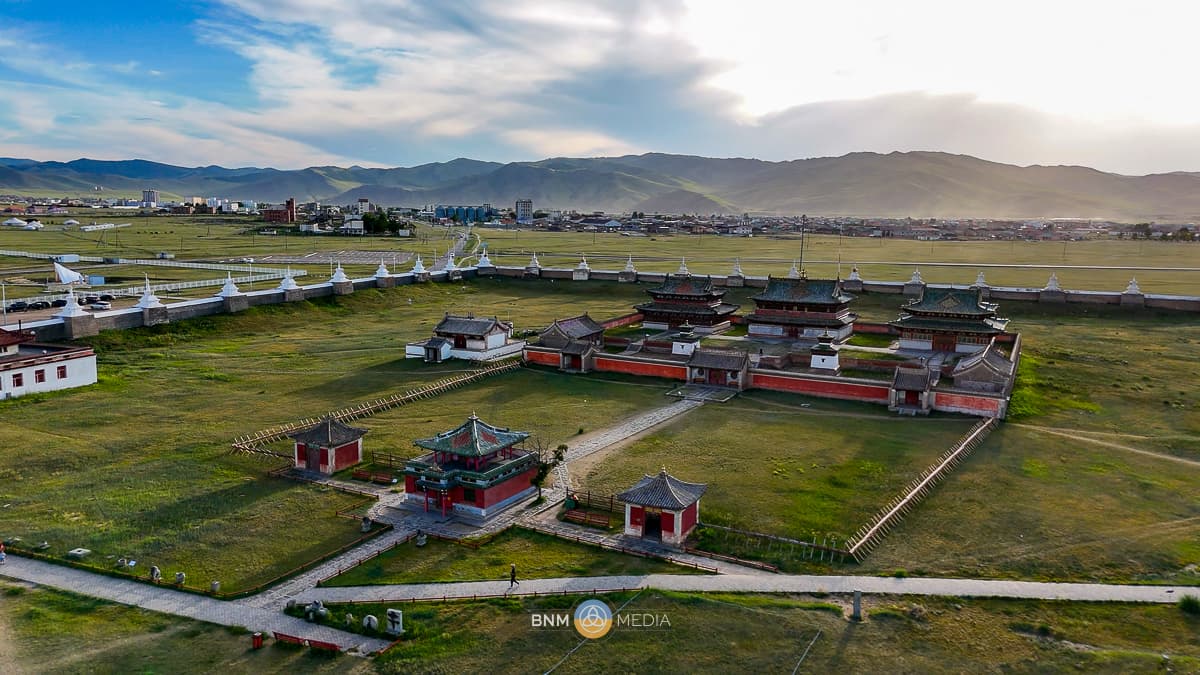
Kharkhorin
Kharkhorin, once the ancient capital of the Mongol Empire under Genghis Khan, is a place steeped in history. Located in the Orkhon Valley, which is a UNESCO World Heritage Site, Kharkhorin was founded in the early 13th century and became the political and cultural heart of the Mongol Empire. Today, the small town of Kharkhorin stands where the once-great city did, and though much of the original capital has been lost to time, the area remains a vital link to Mongolia’s past. Visitors come here to explore the ruins, visit the Erdene Zuu Monastery, and imagine the grandeur of the Mongol Empire in its heyday.
Terelj National Park
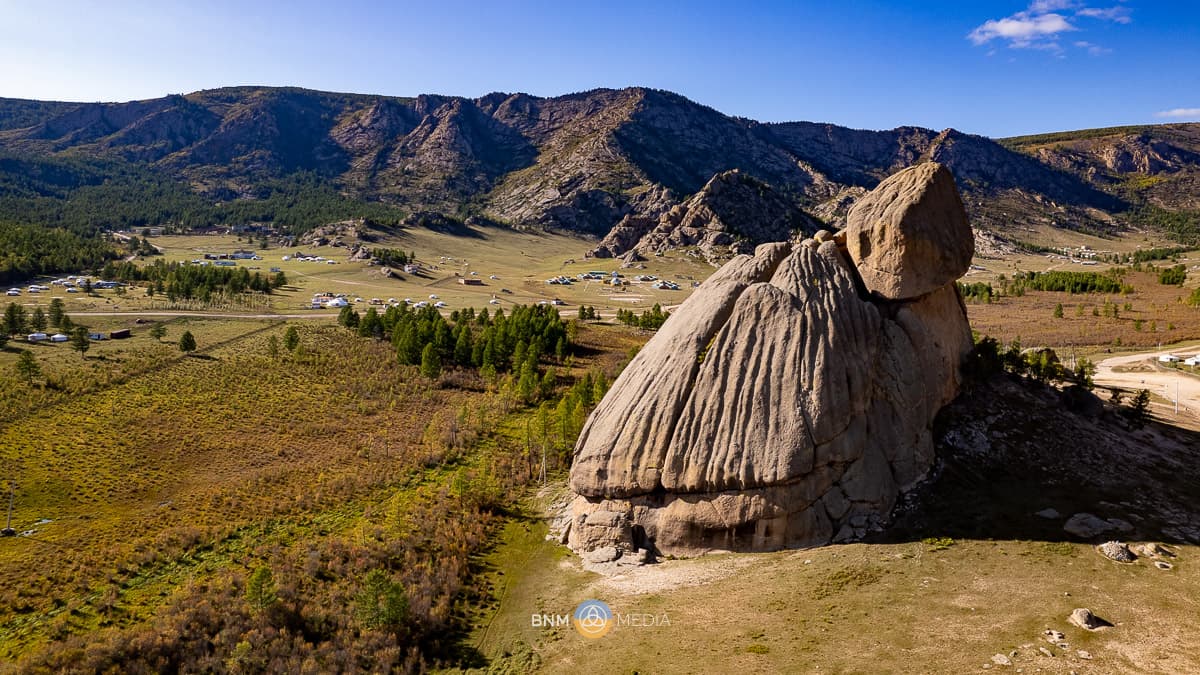
If you’re looking for a place to get out of Ulaanbaatar and really see some of Mongolia’s natural beauty, Terelj National Park is the perfect spot. It’s only about an hour and a half drive from the city, but it feels like a completely different world. The landscapes here are just stunning—huge rock formations, green valleys, and the Tuul River winding through the park. People come here to hike, camp, and even stay in ger camps with local nomadic families, so you can really get a feel for traditional Mongolian life while you're surrounded by nature. One of the coolest things about Terelj is how peaceful it is. You can ride horses through the park, take a quiet walk by the river, or just sit and watch the clouds roll over the mountains. There’s plenty of space to just breathe and take it all in.
Elsen Tasarkhai
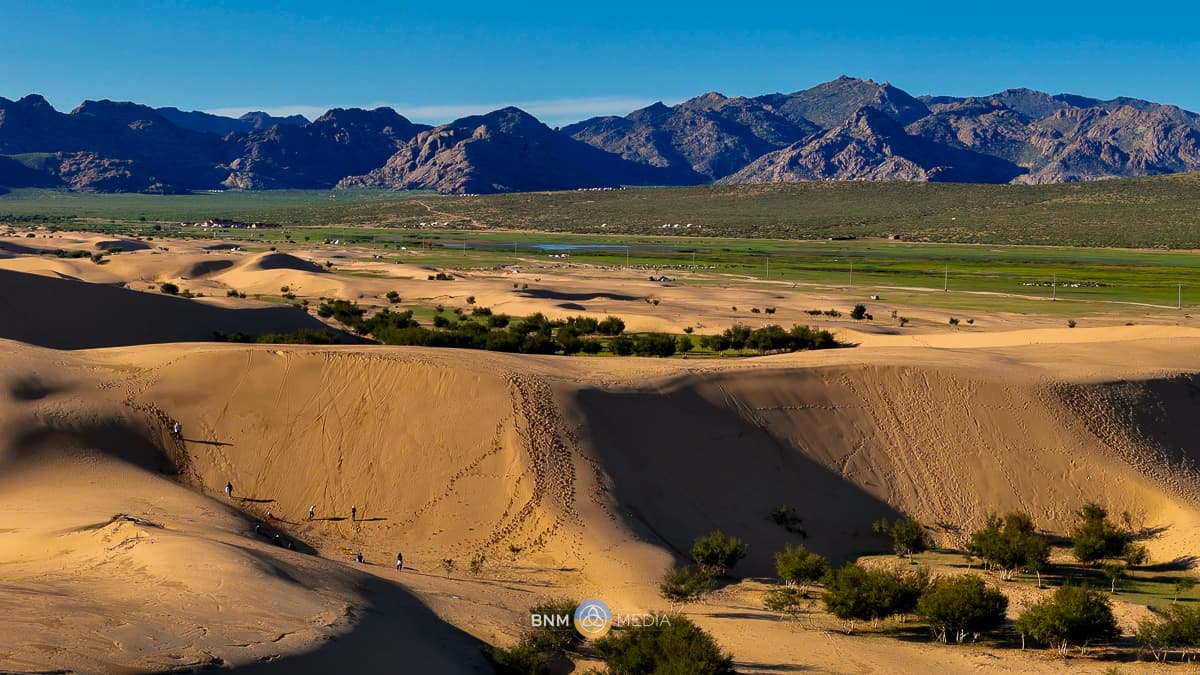
The Elsen Tasarkhai dunes are the highlight of Khogno Tarna National Park, stretching for about 80 km across the steppe. These golden sand dunes are often compared to the dunes of the Gobi Desert, but what makes them special is their proximity to green pastures and rocky mountains, creating a dramatic contrast in the landscape. The name “Elsen Tasarkhai” translates to “a piece of sand,” and the dunes live up to their name, appearing as a sandy island in the middle of Mongolia’s steppe. You can take a camel ride across the dunes, which is a must-do experience, especially if you’ve never ridden a camel before. The dunes are also perfect for hiking and photography, especially in the soft light of the early morning or late afternoon. If you’re feeling adventurous, some visitors try sandboarding here, though it’s more of a fun challenge than an organized activity.
Khustai National Park
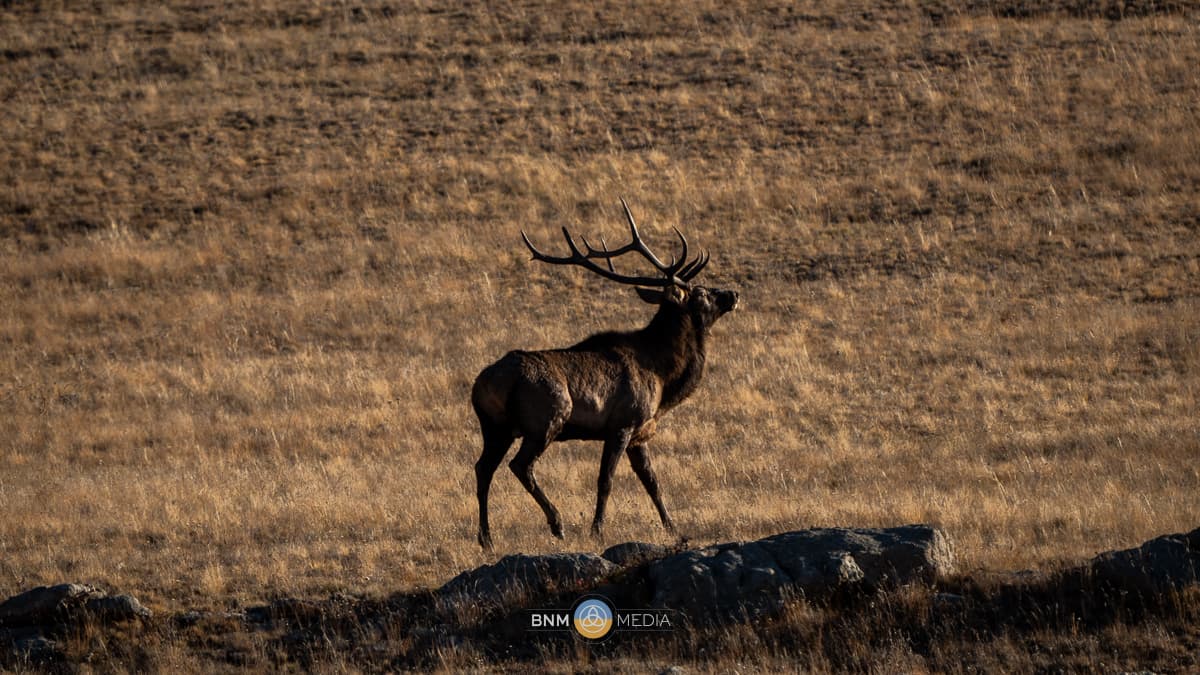
Khustai Nuruu National Park is a special place for nature lovers and anyone fascinated by wildlife. Located about 95 km west of Ulaanbaatar, this park is most famous for being the home of the Przewalski’s horse, or takhi as it’s known in Mongolian. These wild horses, once extinct in the wild, were reintroduced to their natural habitat right here in Khustai, and now the park is one of the best places in the world to see them roaming free. The takhi is an incredible animal—it’s actually the last truly wild horse species left in the world. Visiting the park gives you the rare opportunity to see these beautiful creatures in their natural environment, doing what they’ve done for centuries. The best time to spot them is early in the morning or late in the evening when they come down to the valleys to graze. But Khustai Nuruu isn’t just about the takhi.
Send Inquiry
Fill in the details below and we’ll get back to you shortly.